

Ascension Presents
How to examine your conscience and prepare for the Sacrament of Penance.
Seven signs given by Jesus, through which God shares his life with us. They mark every stage of the Christian life, from Baptism to the last moments of life. Here is what each one is, how it is celebrated and how often it is received.
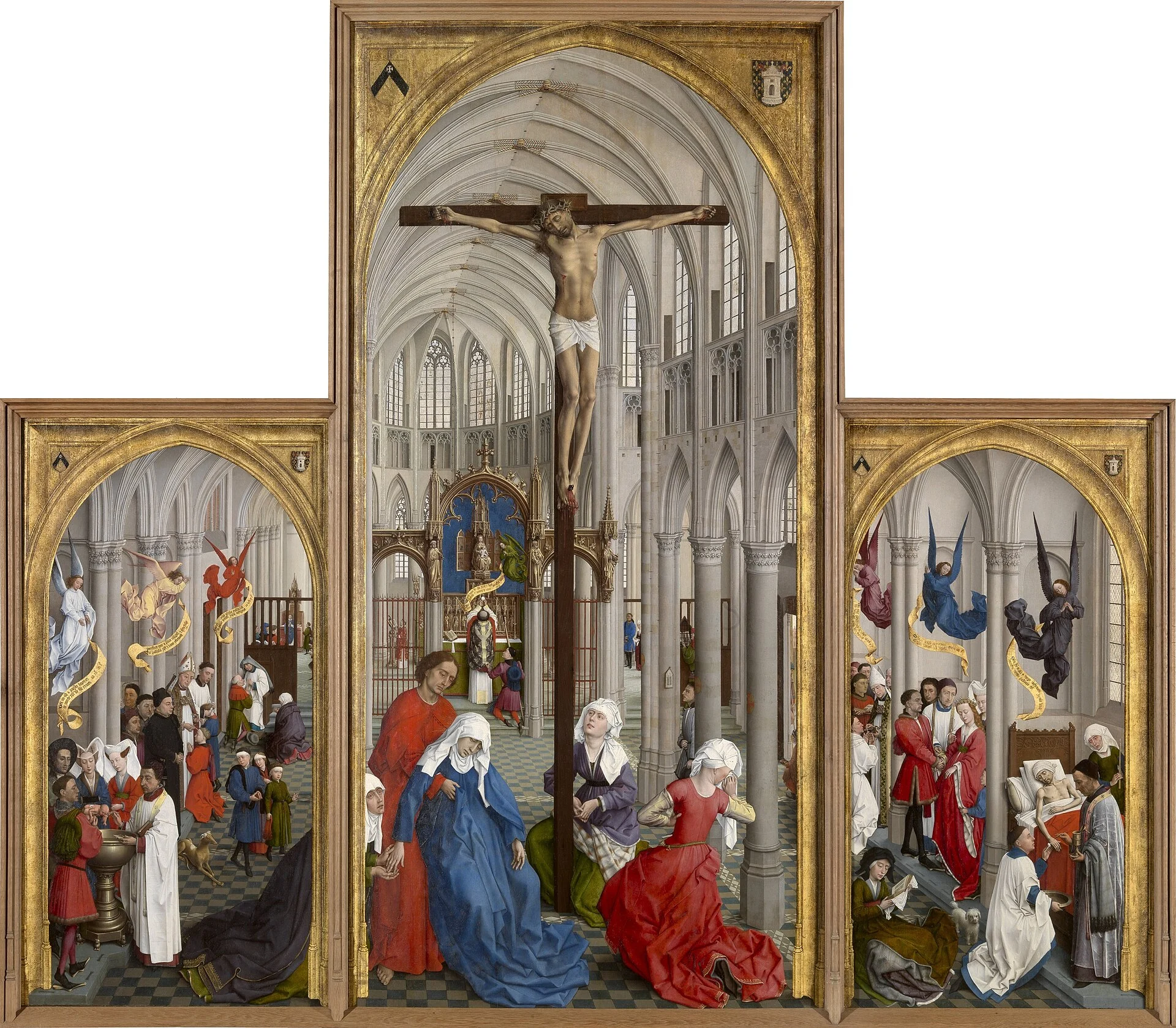
A sacrament is an outward sign that really gives what it shows. Through water, oil, bread, wine, words and the laying on of hands, Jesus acts in our lives today.
"The sacraments are efficacious signs of grace, instituted by Christ and entrusted to the Church, by which divine life is dispensed to us."
They lay the foundations of every Christian life: new birth, strength and food for the journey.
They bring God's forgiveness and strength in times of sin and sickness.
They are directed toward the salvation of others and build up the Church.
The paintings are from Nicolas Poussin's two famous series of the seven sacraments, painted in Rome in the 1630s and 1640s.
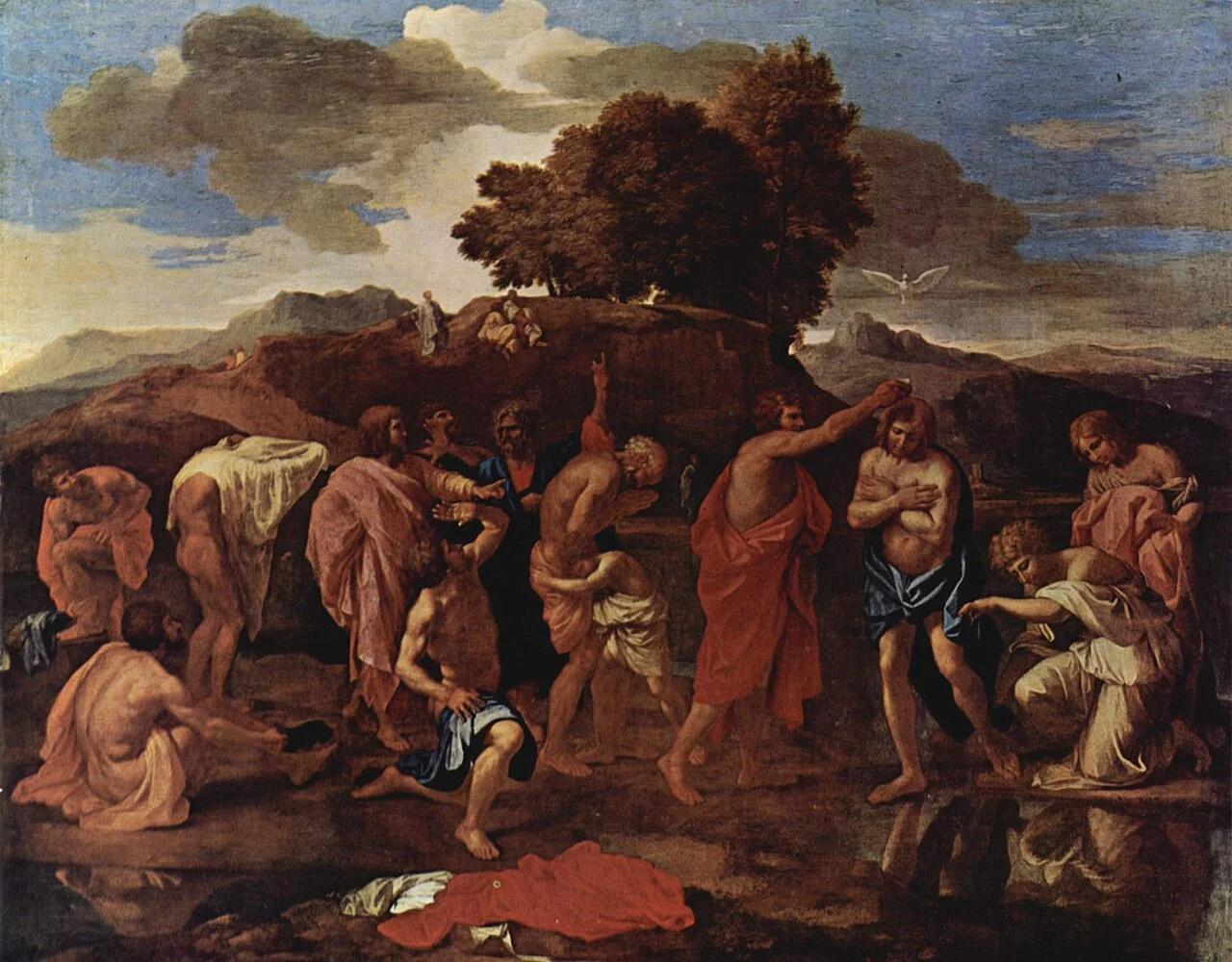
Baptism is the doorway to the Christian life. It frees us from original sin and every sin, makes us children of God and members of the Church, and opens the way to the other sacraments.
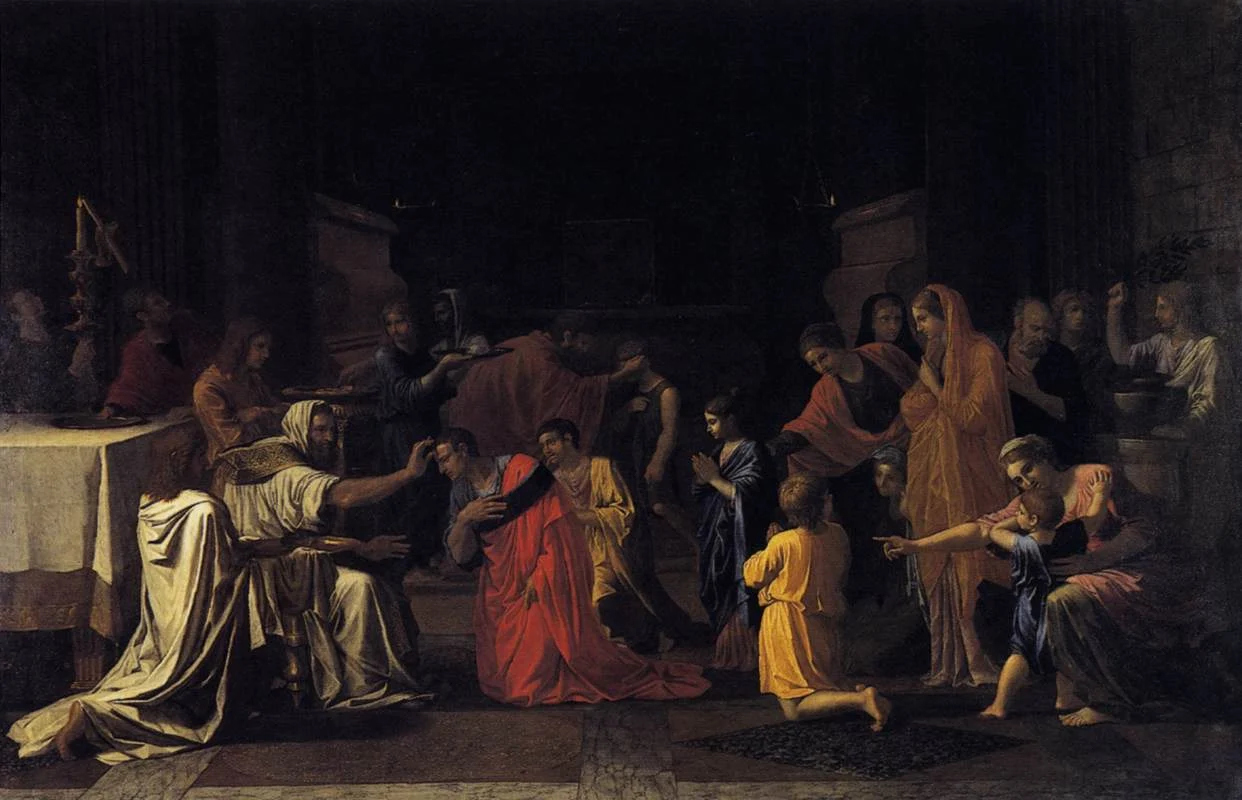
Also called Chrismation
Confirmation completes the grace of Baptism. The Holy Spirit seals the person with his gifts and gives the strength to live the faith and share it as a witness to Christ.
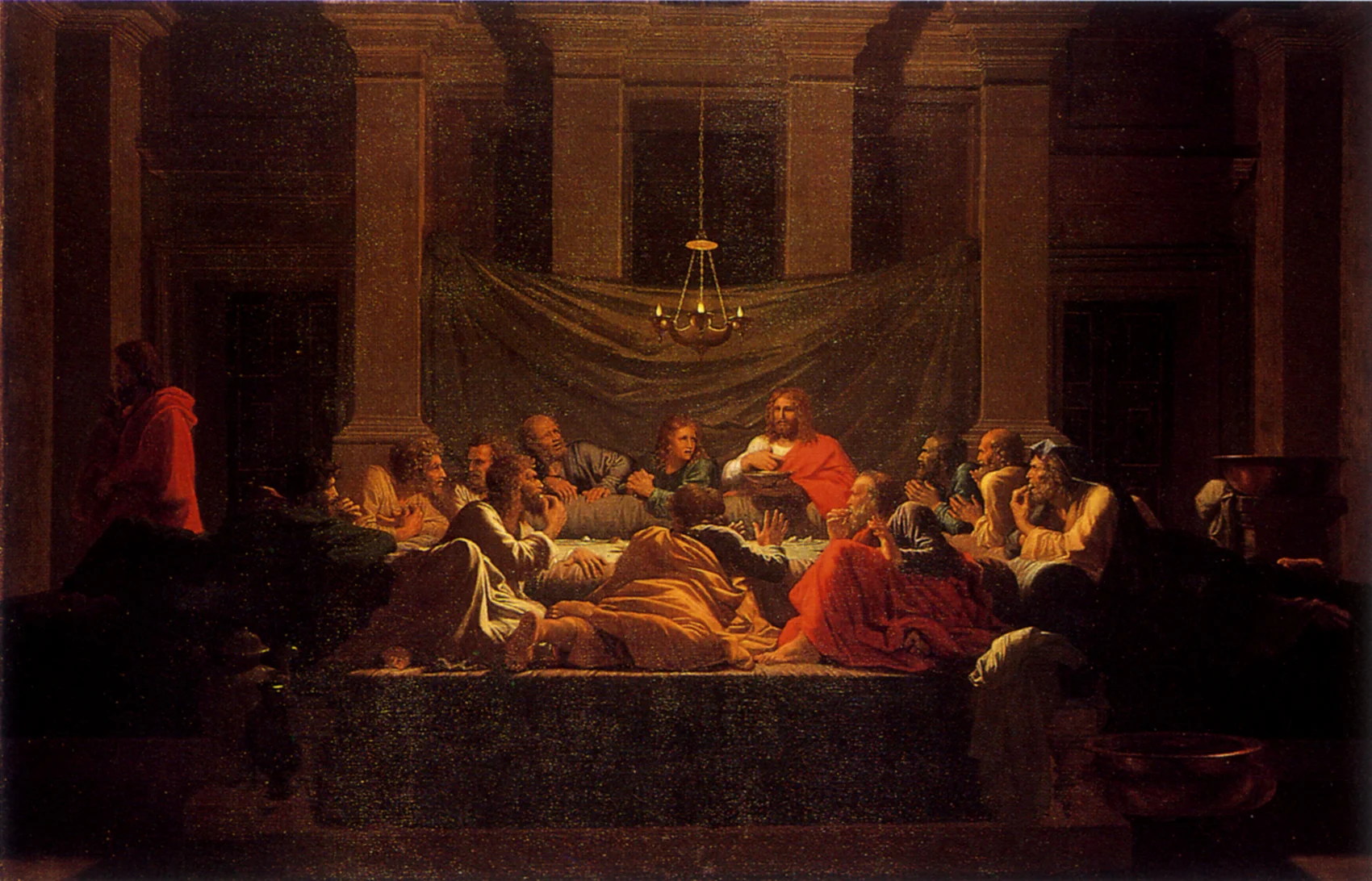
Also called Holy Communion
At Mass, bread and wine become the Body and Blood of Jesus Christ, and we receive him in Holy Communion. The Church calls the Eucharist "the source and summit of the Christian life" because it is Christ himself.
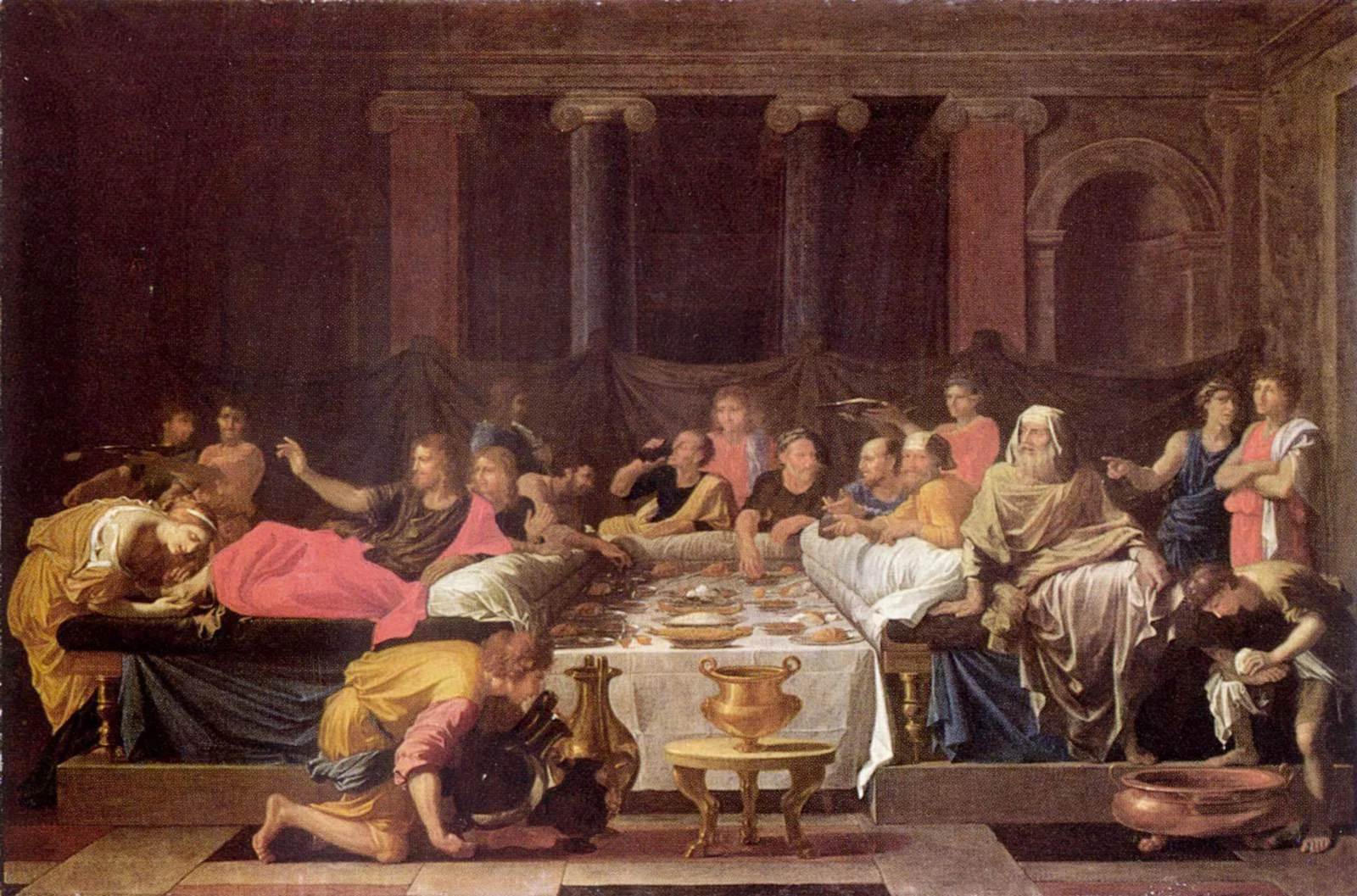
Also called Confession
God forgives the sins we commit after Baptism and reconciles us with him and with the Church. Jesus gave this power to the apostles when he said, "Whose sins you forgive are forgiven them."
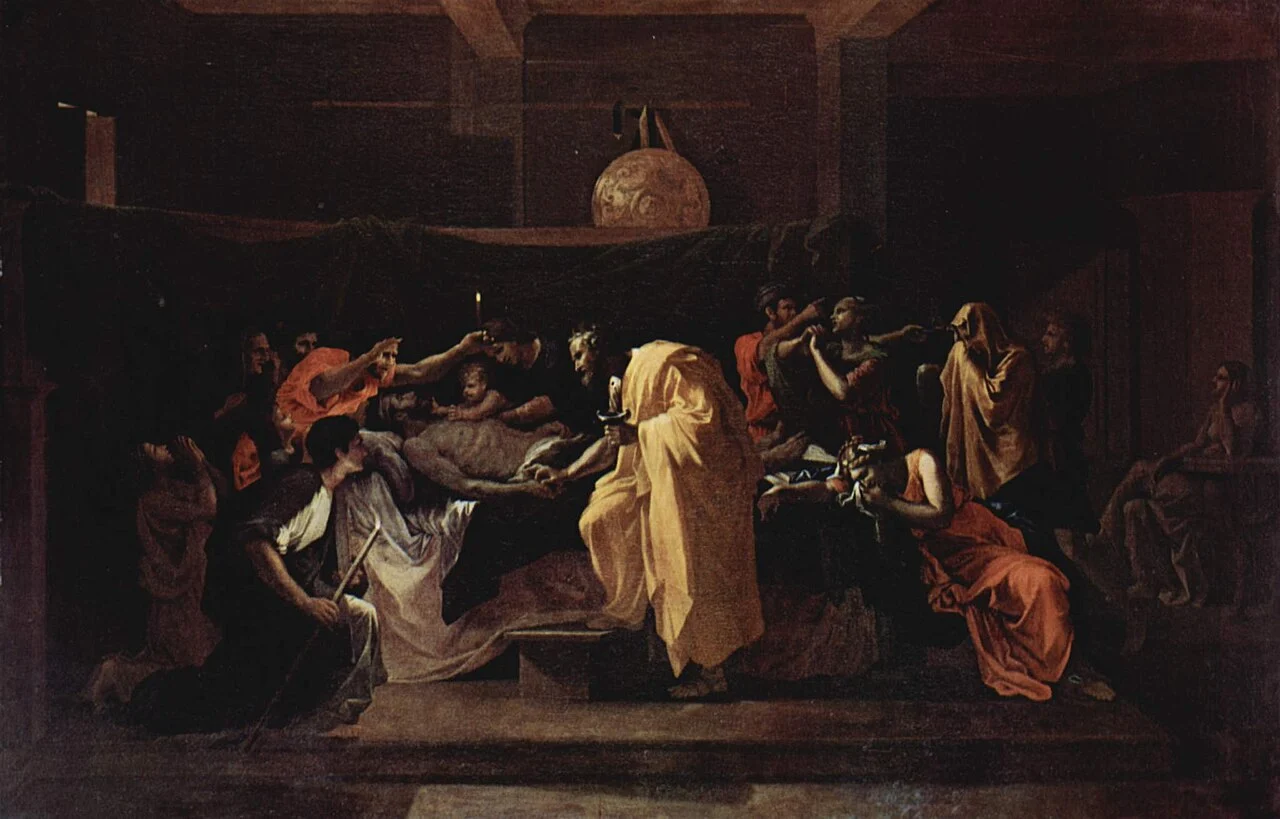
This sacrament gives strength, peace and courage to people facing serious illness or the frailty of old age. It unites their suffering with Christ's, forgives sins when someone cannot confess, and can restore health if that is God's will.
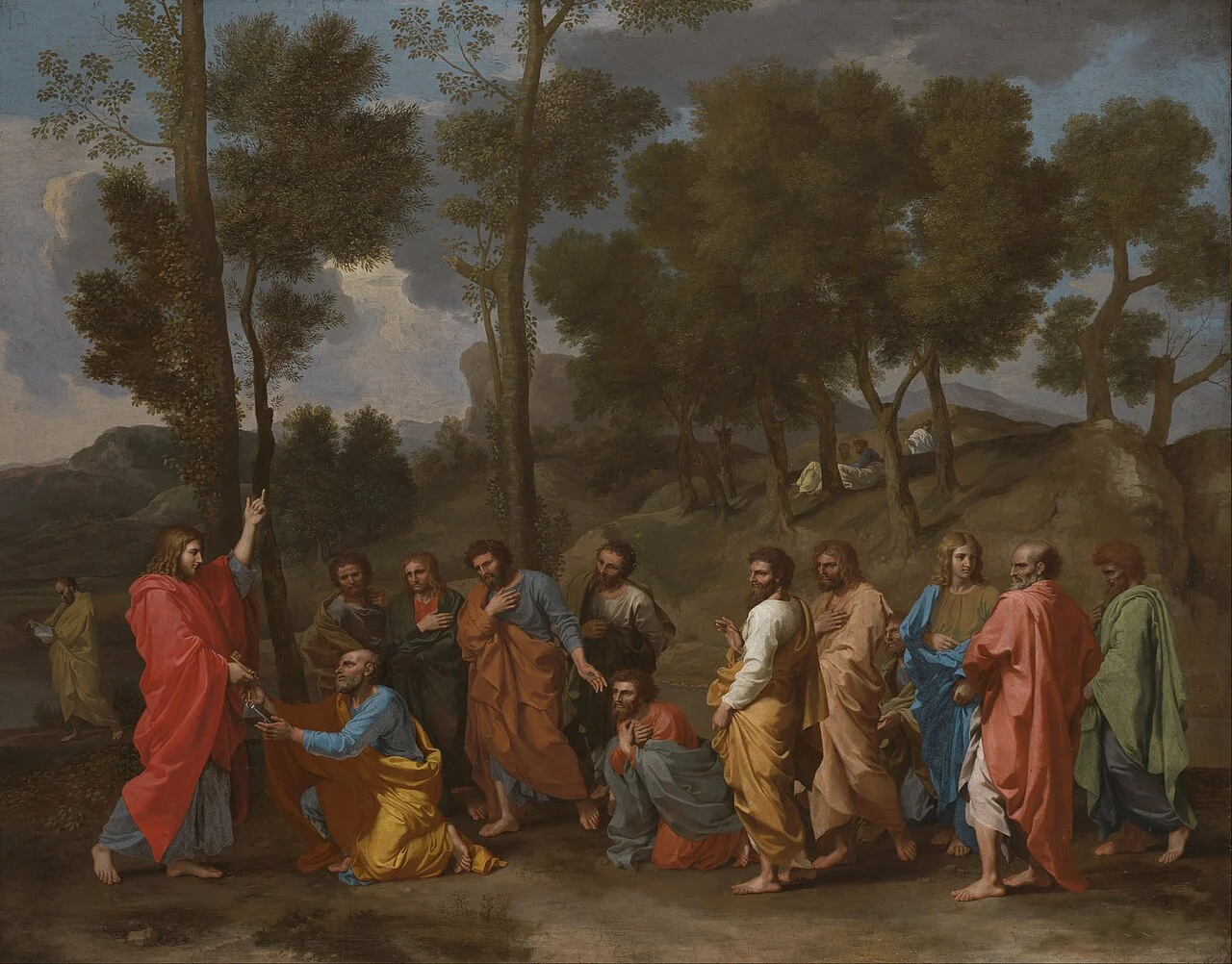
Through Holy Orders, the mission Christ gave his apostles continues in the Church until the end of time. It has three degrees: bishops, priests and deacons.
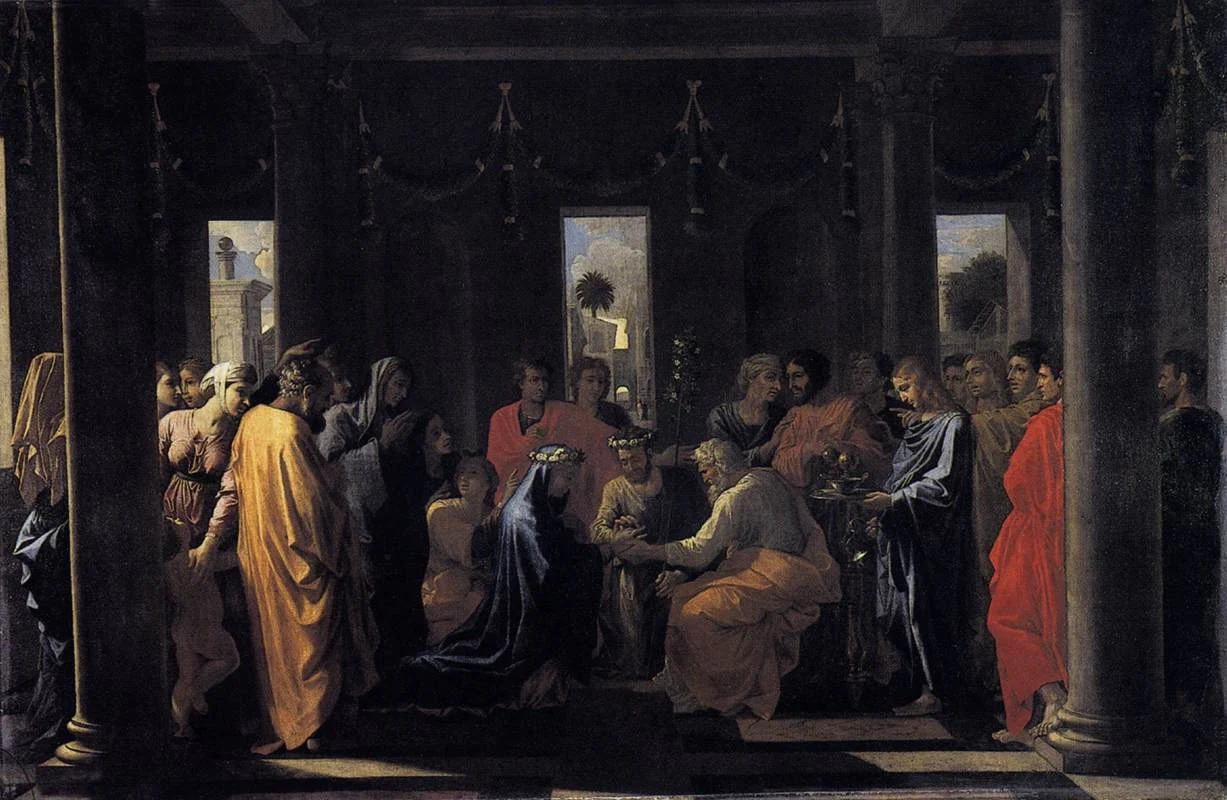
Also called Marriage
A baptized man and woman make a lifelong covenant of love and faithfulness, open to children. Christ raised marriage to a sacrament, and his grace helps the couple love each other as he loves the Church.
It has been a while for many people, and that is fine. Here is what happens, step by step.
Before you go, pray to the Holy Spirit and examine your conscience. Think honestly about the ways you have sinned since your last confession.
Kneel behind the screen or sit face to face with the priest. Make the Sign of the Cross and say, "Bless me, Father, for I have sinned. It has been [how long] since my last confession."
Tell the priest your sins simply and honestly. Name any serious sins and about how many times. If you feel unsure, the priest will gladly help you.
The priest may offer advice, then gives you a penance, such as a prayer or a good deed, to help make amends and grow.
Tell God you are sorry. You can use the prayer here, or your own words.
The priest prays the words of absolution. Answer "Amen." Then go and complete your penance soon.
My God, I am sorry for my sins with all my heart. In choosing to do wrong and failing to do good, I have sinned against you whom I should love above all things. I firmly intend, with your help, to do penance, to sin no more, and to avoid whatever leads me to sin. Our Savior Jesus Christ suffered and died for us. In his name, my God, have mercy.
Everything you say is protected by the seal of confession. A priest may never reveal it to anyone, for any reason (Catechism 1467).
Find confession times near youShort videos on each sacrament, how to go to Confession and what happens at Mass.
Ascension Presents
How to examine your conscience and prepare for the Sacrament of Penance.

Busted Halo
Why Catholics baptize, and how Baptism begins the life of grace.

Busted Halo
Why the baptized are confirmed, how to choose a sponsor and why you take a saint's name.
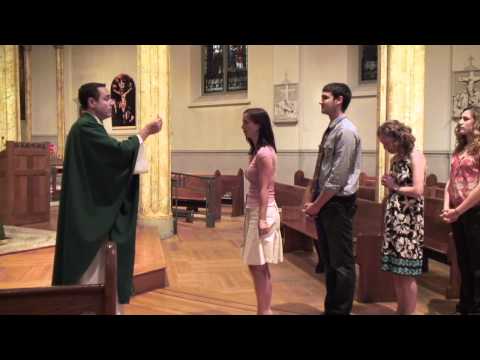
Busted Halo
How Catholics receive Holy Communion reverently, in the hand or on the tongue.

Busted Halo
Why Catholics confess their sins to a priest, and what God gives in this sacrament.

Busted Halo
Who can receive the Anointing of the Sick, how often and where it is celebrated.
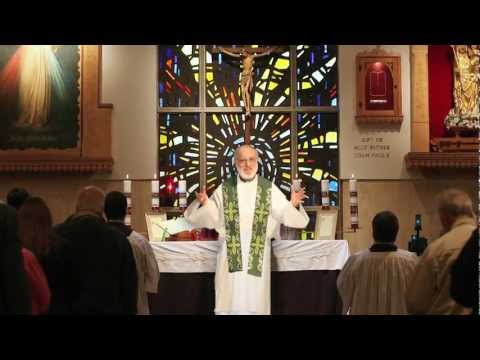
Busted Halo
What ordination means, what happens at an ordination and how a priest discerns God's call.

Busted Halo
Why Catholics marry in the Church, and what the sacrament of Matrimony asks and gives.
 Start here
Ascension Presents
A teaching Mass that walks through every part of the Mass and explains what it means.
Baptism, Confirmation, the Eucharist, Penance (also called Reconciliation or Confession), the Anointing of the Sick, Holy Orders and Matrimony. The Catechism groups them as sacraments of initiation, sacraments of healing and sacraments at the service of communion.
Jesus Christ. The Church teaches that all seven sacraments were instituted by Christ and entrusted to the Church (Catechism 1114 and 1131).
Baptism, Confirmation and Holy Orders. They give a permanent spiritual mark, called a character, so they are never repeated (Catechism 1121).
Sacraments were instituted by Christ and give the grace they signify. Sacramentals, such as holy water, blessings, medals and the rosary, were instituted by the Church. They do not give grace in the way the sacraments do, but they prepare us to receive grace and help us cooperate with it (Catechism 1667 and 1670).
Because Communion is a sign of unity in faith, people who are not Catholic do not ordinarily receive it. Church law allows exceptions for some Christians in special cases. Everyone is welcome to attend Mass and pray with us.
Adults usually prepare through OCIA, the Order of Christian Initiation of Adults (formerly RCIA), at a local parish. They often receive Baptism, Confirmation and the Eucharist at the Easter Vigil. Our Becoming Catholic guide walks through each step.
Call the nearest Catholic parish right away and ask for a priest to give the sacraments. A dying person can receive Penance, the Anointing of the Sick and Holy Communion as Viaticum, which means food for the journey (Catechism 1524 and 1525).
Whether you are preparing for Baptism, returning to Confession or simply curious, a local parish will welcome you.