

Ascension Presents
How to examine your conscience and prepare for the Sacrament of Penance.
A quiet, honest look at your life in the light of God's love. Use this guide, based on the Ten Commandments, to prepare for Confession or to end your day in prayer.
Private by design. Nothing you mark on this page is saved or sent anywhere.
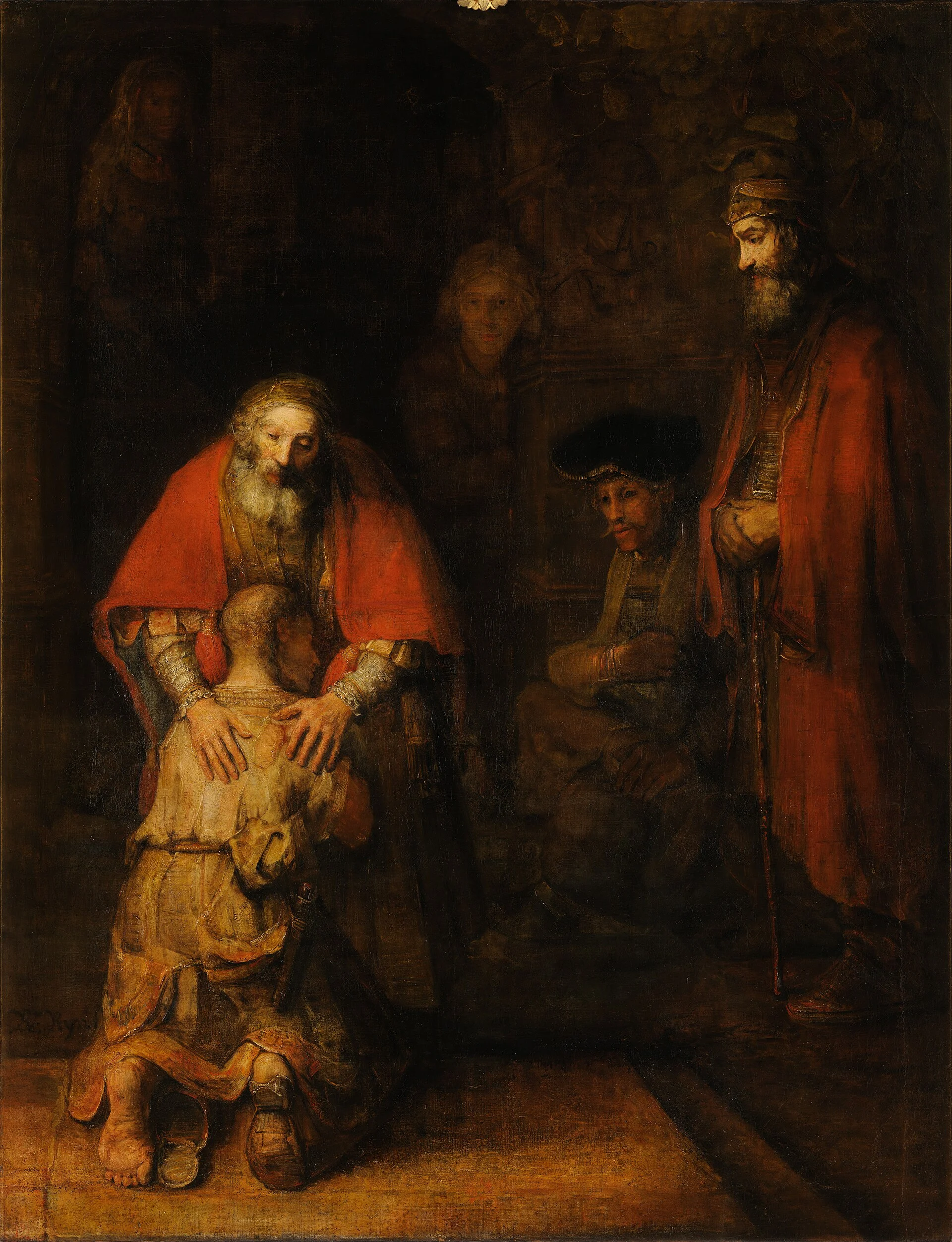
This is not about fear or shame. It is about seeing clearly, so that God's mercy can reach every part of your life.
Find a quiet place and a few minutes. Ask God to help you see yourself honestly, the way he sees you, with truth and with love.
Go slowly through the questions below. Think about your thoughts, words and actions, and also the good you failed to do.
Tell God you are sorry, not only out of fear but because you love him. Ask for his help to avoid what leads you to sin.
Name your sins simply to the priest. Jesus forgives them through him, and you leave with a clean heart and a fresh start.
A short prayer before you begin
Come, Holy Spirit, light up my mind so that I may see my sins clearly. Move my heart to be truly sorry, and help me to change my life. Amen.
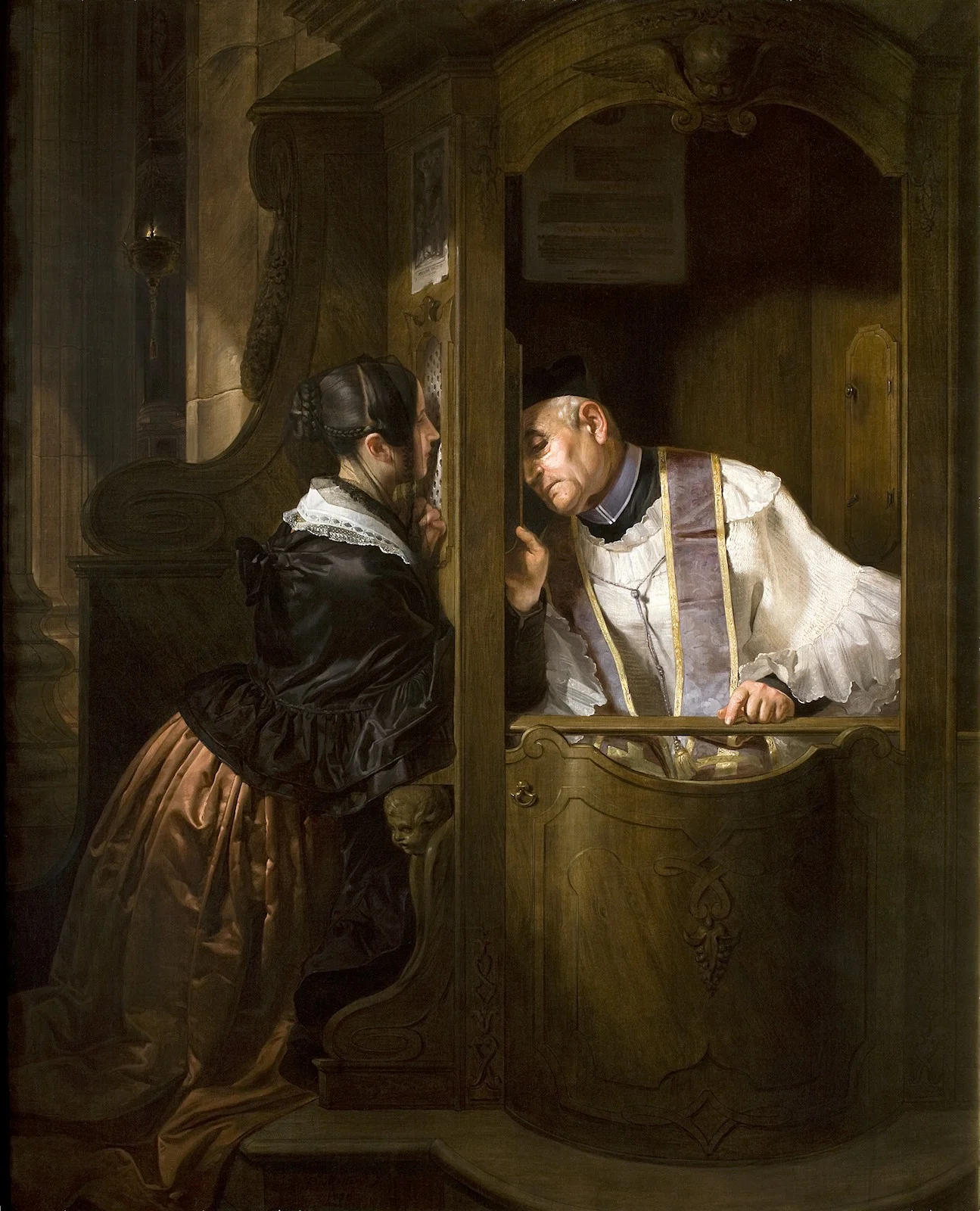
Read each question slowly and answer it honestly before God. Tick any that apply to help you remember them in Confession.
First commandment
Second commandment
Third commandment
Fourth commandment
Fifth commandment
Sixth commandment
Seventh commandment
Eighth commandment
Ninth commandment
Tenth commandment
The precepts of the Church
Simple questions for a child preparing for First Confession, or for any young person. Parents can read them aloud together.
It has been a while for many people, and that is fine. Here is what happens, step by step.
Before you go, pray to the Holy Spirit and examine your conscience. Think honestly about the ways you have sinned since your last confession.
Kneel behind the screen or sit face to face with the priest. Make the Sign of the Cross and say, "Bless me, Father, for I have sinned. It has been [how long] since my last confession."
Tell the priest your sins simply and honestly. Name any serious sins and about how many times. If you feel unsure, the priest will gladly help you.
The priest may offer advice, then gives you a penance, such as a prayer or a good deed, to help make amends and grow.
Tell God you are sorry. You can use the prayer here, or your own words.
The priest prays the words of absolution. Answer "Amen." Then go and complete your penance soon.
My God, I am sorry for my sins with all my heart. In choosing to do wrong and failing to do good, I have sinned against you whom I should love above all things. I firmly intend, with your help, to do penance, to sin no more, and to avoid whatever leads me to sin. Our Savior Jesus Christ suffered and died for us. In his name, my God, have mercy.
Everything you say is protected by the seal of confession. A priest may never reveal it to anyone, for any reason (Catechism 1467).
Find confession times near youShort videos on making a good confession and on God's mercy.
Ascension Presents
How to examine your conscience and prepare for the Sacrament of Penance.

Busted Halo
Why Catholics confess their sins to a priest, and what God gives in this sacrament.

Busted Halo
Why Catholics baptize, and how Baptism begins the life of grace.
It is a prayerful look back over your thoughts, words and actions to see where you have sinned and where you need God's help. Catholics usually make one before going to Confession, and many also make a short one every night.
A mortal sin is a serious sin that breaks our friendship with God. Three things must all be true: the matter is grave, the person knows it is seriously wrong, and the person freely chooses it anyway (Catechism 1857). Venial sins are less serious. They weaken our love for God but do not break it.
It is not strictly required, but the Church strongly recommends it. Regular confession of everyday faults helps form our conscience and helps us grow in holiness (Catechism 1458).
Catholics must confess serious sins at least once a year (Catechism 1457). Anyone aware of a mortal sin should go to Confession before receiving Holy Communion. Many Catholics go once a month.
Don't worry. When you honestly try to confess all the serious sins you can remember, you place all of them before God's mercy (Catechism 1456). If you later remember a serious sin, simply mention it at your next confession.
Yes. Many people jot down a few notes to help them remember. Just keep it private and throw it away afterward.
No. The checkboxes only help you while you read. Nothing is stored or sent anywhere, and everything clears when you leave the page.
"While he was still a long way off, his father caught sight of him, and was filled with compassion. He ran to his son, embraced him and kissed him."
Luke 15:20